
What Is Shock Polymerization on Lash Extensions? Causes, Effects & How to Avoid It
As a lash artist, creating long-lasting, beautiful lash sets is your top priority. But what happens when your lash glue cures too quickly, causing poor retention and a rough finish? You might be dealing with shock polymerization—a common yet preventable issue in the lash industry. In this blog, we’ll break down what shock polymerization is, how it happens, and most importantly, how to avoid it to maintain flawless lash retention and happy clients.
What Is Shock Polymerization?
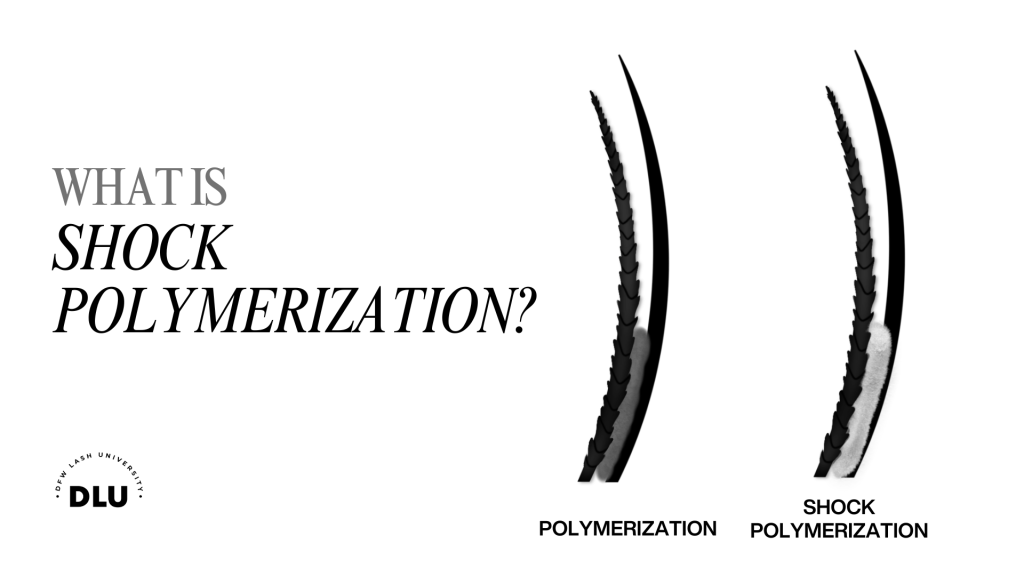
Shock polymerization occurs when lash adhesive cures too quickly due to excessive moisture. Instead of a smooth and gradual bonding process, the adhesive hardens rapidly, causing the bond to become brittle, white, and flaky. This sudden curing reaction negatively impacts lash retention, comfort, and overall look.
In simple terms, it’s what happens when lash glue is “shocked” by too much moisture or humidity at the wrong time.
Common Signs of Shock Polymerization:
White or frosted-looking glue
Poor lash retention
Hard, brittle bond
Discomfort or irritation at the lash line
Premature lash shedding
How Shock Polymerization Happens
Lash glue is made from cyanoacrylate, a fast-curing adhesive that is moisture-sensitive. While a small amount of moisture is necessary for the glue to cure, too much causes the curing process to speed up dramatically, leading to shock polymerization.

Here are a few common scenarios where this happens:
1. Using a Nano Mister Too Soon
Spraying the lash line too early or too closely with a nano mister introduces a sudden burst of moisture that can trigger shock polymerization.
2. High Humidity in the Room
If your lash room has excess humidity (above the adhesive’s recommended range), the glue can cure too fast, especially before you properly position the extension.
3. Crying or Watery Eyes During Application
Client tears or watery eyes can cause moisture to touch the adhesive, causing it to cure instantly and unevenly.
4. Incorrect Use of Super Bonder
Using a bonder too early or applying it directly to the base of wet glue can cause the same rapid cure reaction.
Why It’s a Problem for Lash Retention
Shock polymerization compromises the integrity of the adhesive bond. When the glue cures too fast, it doesn’t have time to form a flexible and durable hold around the natural lash. The result?
Extensions pop off early
The bond becomes weak and cracked
Your sets don’t last as long
Clients may feel discomfort from the brittle glue
This can damage your reputation as a lash artist and impact client satisfaction and retention.

How to Prevent Shock Polymerization
Preventing shock polymerization comes down to controlling your environment, your technique, and your products. Here’s how to avoid it:
✅ Know Your Humidity Range
Every lash adhesive has an ideal temperature and humidity range. Use a hygrometer to monitor your lash room and choose a glue that matches your environment.
Too humid? Switch to a slower-drying glue or use a dehumidifier.
Too dry? Add moisture with a humidifier or a controlled nano mister.
✅ Use Your Nano Mister Correctly
A nano mister should be used at the right distance and timing—generally 30 seconds after application, 12-18 inches away from the face, and lightly misted.
✅ Avoid Excessive Product Use
Only use super bonder or setting sprays if needed, and apply them properly. Wait until the glue has partially cured and avoid applying products directly to the lash base when it’s still wet.
✅ Educate Your Clients
Let clients know to avoid crying or rubbing their eyes during the appointment. If they arrive with watery eyes due to allergies or sensitivity, consider rescheduling.
✅ Use Proper Application Techniques
Make sure your isolation and placement are clean and efficient. The faster you place the extension before the glue cures, the stronger the bond.
Final Thoughts
Shock polymerization might sound intimidating, but with the right knowledge and tools, it’s completely preventable. As a lash artist, mastering your glue control and lash room environment can make a huge difference in your lash retention, client comfort, and professional reputation.
By understanding what causes shock polymerization and how to avoid it, you’ll be better equipped to deliver long-lasting, beautiful lash sets every time.
💡 Bonus Tip:
Always do a glue test drop before you start your set. If the adhesive cures too quickly or turns stringy, it’s a sign your room’s humidity might be too high!

Ready to take the next step?
Let’s get you licensed and thriving!
Become a LICENSED lash artist in Texas or Connecticut!

Set yourself up for success and achieve your licensing goals with confidence!
Follow us on Instagram! @dfwlashuniversity